Bold and Cute Lazy Animals Coloring Book
First Impression: Cozy Charm, Not Clutter
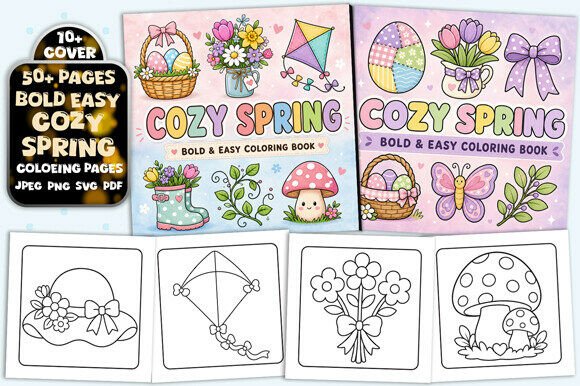
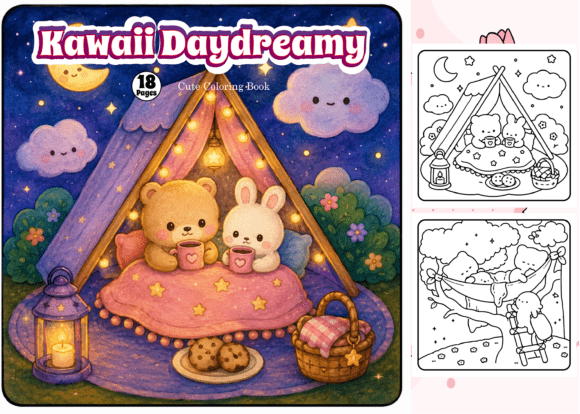
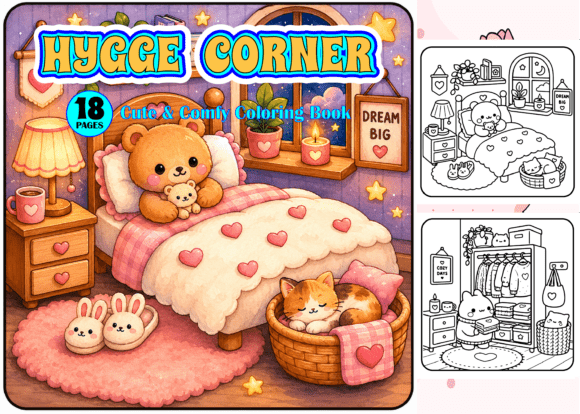
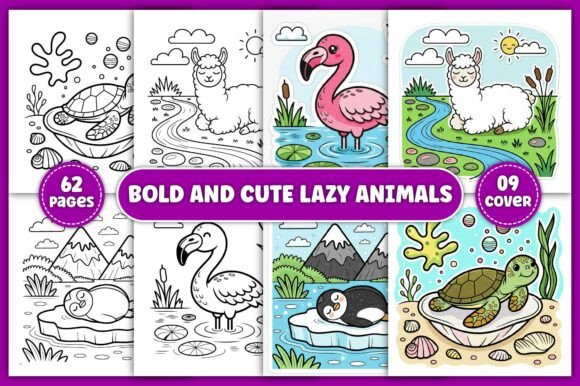
Opening Bold and Cute Lazy Animals Coloring Book, I immediately felt the quiet confidence of its mood—soft but intentional, playful without being cutesy, relaxed without drifting into vagueness. These aren’t just sleepy animals; they’re thoughtfully composed illustrations with generous negative space, clean outlines, and intentional breathing room around limbs, ears, and tails. As an embroidery designer who’s stitched hundreds of animal motifs—from hyper-detailed foxes to minimalist silhouettes—I recognized this right away: Bold and Cute Lazy Animals Coloring Book was drawn *for translation*, not just coloring. The lines have weight and consistency, the shapes hold their integrity at medium scale, and the expressions land gently—no exaggerated winks or forced grins that would distort under satin stitch.
A Real Project Test: Embroidering a Linen Pillow Cover for a Nursery Boutique
Last month, I used one of the pages—a curled-up sloth draped over a crescent moon—as the centerpiece for a linen pillow cover sold in my small shop. No digital conversion needed; I traced the outline, digitized it at 4.2" wide, and ran it on mid-weight cutaway stabilizer. What stood out wasn’t just how well it stitched (it did), but how *readable* it stayed after stitching. On textured linen, the bold outlines held up. The lazy posture translated beautifully into soft fill-stitch gradients—no jagged edges, no lost details in the paws or closed eyes. Customers commented on how “calm” and “intentionally unhurried” the design felt—not just cute, but emotionally resonant. That matters when you’re pricing handmade nursery decor at $85–$110.
Where It Shines (and Where It Needs Thought)
- Custom apparel: Works beautifully on sweatshirts and tote bags—especially centered on the chest or lower back. The boldness reads from a distance, and the simplicity avoids thread build-up.
- Baby embroidery: Gentle enough for onesies and burp cloths, but avoid dense fill areas on thin cotton—we tested one hedgehog design on 100% cotton jersey and added tear-away + topping for clean definition.
- Embroidered patch: Ideal base shape for iron-on or sew-on patches. Clean outer edge = clean cut. Just confirm your digitizer preserves line integrity in corners.
- Holiday & gift embroidery: A sleepy owl wearing tiny antlers? Yes—it’s subtle, warm, and stands apart from overused festive clichés. Great for holiday tea towels or personalized kitchen aprons.
- Etsy & small shop listings: Converts well in printable mockups. The theme is instantly legible in thumbnail size, and buyers associate “lazy animals” with self-care, mindfulness, and gentle humor—strong emotional hooks for handmade audiences.
Use With Care: Practical Limits You’ll Feel at the Hoop
This isn’t a design for micro-embroidery. Don’t push it below 2.5" wide on stretchy fabric or curved surfaces like caps—the rounded bellies and floppy ears need room to breathe. On dark fabric, test thread contrast early: light ecru or oatmeal thread reads softly but warmly; stark white can feel clinical against the cozy vibe. Avoid layering dense fill stitches over tight curves (like the bend in a cat’s tail) without reducing stitch density—otherwise, you’ll get puckering or thread breakage on lightweight knits. And while the outlines are strong, tiny interior details—like individual whiskers or paw pad lines—aren’t built for running stitch at small scale. If you’re digitizing for commercial embroidery, simplify those or convert them to optional satin accents.
What It Adds to Your Finished Product—Beyond the Stitch
Bold and Cute Lazy Animals Coloring Book quietly elevates perceived value. Because the designs feel *designed*, not assembled, customers trust the craftsmanship—even before they touch the fabric. That translates to higher price tolerance, better reviews (“so much more thoughtful than typical animal clipart”), and stronger brand alignment for shops leaning into slow living, wellness, or mindful parenting themes. It also supports cohesive storytelling: pair a sleepy raccoon with matching tea towel + baby blanket + embroidered card—and you’ve got a boutique collection that feels intentional, not pieced together.
Designer Notes You’ll Actually Use
- Always test Bold and Cute Lazy Animals Coloring Book on scrap fabric first—especially if using textured weaves or blends.
- Check thread color contrast on both light and dark backgrounds before digitizing. Soft neutrals often outperform brights here.
- Review stitch density in curved areas—reduce fill % by 5–10% if hooping on knits or fleece.
- Confirm hoop size compatibility early. Most layouts fit comfortably in a 5x7 hoop—but double-check any full-page scenes before committing to production.
- Inspect small details at actual stitch size. What reads as charming on paper may vanish as a 1mm satin stitch loop.
- Test black-and-white mockups. These designs rely on shape and rhythm—not color—so grayscale previews reveal clarity issues fast.
- Use proper stabilizer: cutaway for knits, tear-away for stable wovens, topping for napped fabrics like terry cloth.
- Verify licensing terms before selling finished items or bundling as part of a digital embroidery file pack. Bold and Cute Lazy Animals Coloring Book falls under Coloring Pages Amp’s Graphics category—confirm usage rights apply to commercial embroidery projects and derivative products.
Final Thought: A Design That Rests Well—And Lets Your Work Do the Same
In a market flooded with frantic, overly detailed, or trend-chasing embroidery assets, Bold and Cute Lazy Animals Coloring Book is refreshingly grounded. It doesn’t shout. It doesn’t overpromise. It simply holds space—visually and emotionally—for rest, warmth, and quiet intention. Whether you’re stitching a custom sweatshirt for a yoga studio owner, prepping a batch of embroidered patches for a craft fair, or building a cohesive Etsy collection around mindful living, this set earns its place in your design assets. Not because it’s easy—but because it’s honestly, carefully, and quietly *good*.