Botanical Coloring Book Pages
First Impressions: Delicate, Flowing, and Quietly Confident
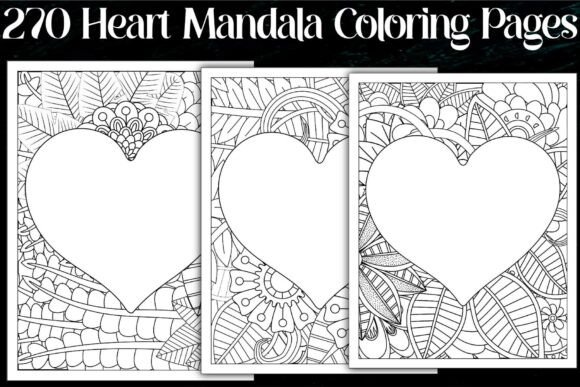
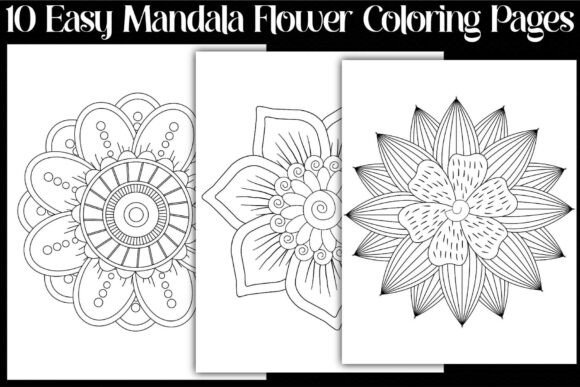
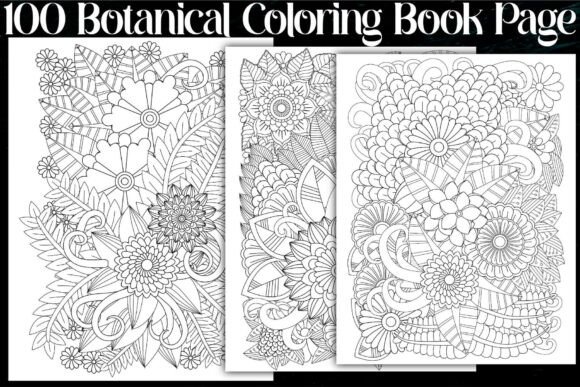
Opening Botanical Coloring Book Pages feels like flipping through a quiet studio sketchbook—ink lines are clean but not rigid, curves breathe, and negative space is used with intention. These aren’t clip-art florals. They’re botanical illustrations drawn with patience: feathery ferns, layered peonies, trailing ivy stems, and single-stemmed eucalyptus sprigs that taper naturally. The line weight varies thoughtfully—thicker outlines for structure, finer interior details for texture—and the overall layout avoids overcrowding. That matters. In embroidery, breathing room translates directly to stitch clarity, especially when scaling down or working with fill stitches.
A Real Project Test: Embroidering a Linen Tea Towel for a Local Boutique
I recently prepped Botanical Coloring Book Pages for a batch of linen tea towels destined for a small-town kitchen boutique. Why this bundle? Because customers there respond to handmade authenticity—not loud graphics, but pieces that feel intentional and calm. I selected three designs: a modest wreath (approx. 4” wide), a vertical leaf-and-bud motif, and a corner-adaptable vine. All translated well into machine embroidery design territory—but only after thoughtful adaptation.
The wreath became a satin-stitched border on the towel’s hem; its open center left space for subtle shadow stitching. The vine worked beautifully as a running-stitch accent along the top edge—light, rhythmic, and easy to hoop without distortion. But the leaf-and-bud motif? It needed trimming. Its original detail included fine vein lines too narrow for reliable fill stitch on medium-weight linen. I simplified those by hand in my digitizing software—keeping the shape intact but reducing stitch density where thread would bunch or pop.
Where Botanical Coloring Book Pages Shines (and Where It Asks for Care)
This bundle excels in projects where subtlety builds value: embroidered baby onesies (soft leaf motifs near the collar), minimalist aprons for bakeries, custom pillow covers for nursery decor, and delicate patches sewn onto denim jackets. On sweatshirt embroidery, choose bolder, less intricate versions—like a single magnolia bloom with defined petal edges—rather than tightly packed clusters. The line-based nature of these Graphics makes them ideal for printable mockups too; they render cleanly in black-and-white previews for Etsy listings or craft fair displays.
Use caution on stretchy fabric (like jersey t-shirts) unless paired with firm cutaway stabilizer and reduced stitch density—those fine interior lines can blur or pucker. Dark fabric demands careful thread color selection: a light sage green may vanish on charcoal; test contrast first. And avoid cramming the most detailed pages onto curved surfaces like caps—hoop alignment gets tricky, and tiny flourishes (like stamen dots or stippled shading) often disappear mid-stitch.
What It Adds to Your Finished Product
- Visual appeal: Feels curated, not mass-produced—ideal for handmade product positioning.
- Customer trust: Thoughtful botanical themes signal care and attention, especially for wedding gifts or personalized baby embroidery.
- Brand consistency: Works across apparel, home goods, and paper-based crafts—making it flexible for small shop product lines.
- Giftability: Natural themes read as timeless, not trendy—so holiday embroidery or anniversary gifts stay relevant year after year.
Practical Notes Every Embroidery Designer Should Keep Handy
Before committing Botanical Coloring Book Pages to your next client project or Etsy seller inventory, run these checks:
- Test the design on scrap fabric *exactly* matching your final product—linen behaves differently than cotton poplin or fleece.
- Review stitch density in your embroidery software. If fill areas look overly dense, reduce underlay or switch to a lighter fill pattern.
- Confirm hoop size compatibility. Some larger compositions exceed standard 5x7" hoops—scale down or split before digitizing.
- Inspect small details at actual stitch size. Those delicate tendrils? They may need slight thickening or simplification to survive washing.
- Mock up in both light and dark fabric backgrounds. What reads as elegant on white may vanish on navy.
- Use appropriate stabilizer: tear-away for stable wovens, cutaway for knits or lightweight fabrics.
- Verify licensing terms before selling finished items or bundling Botanical Coloring Book Pages as part of a commercial embroidery project. Since it’s categorized under Crafts and Graphics, assume personal use is granted—but commercial resale of stitched items may require clarification from the creator.
Final Thought: A Quiet Asset, Not a Flashy Gimmick
Botanical Coloring Book Pages won’t shout from a craft fair table—but it’ll earn repeat orders from customers who value craftsmanship over clutter. It supports slow-making, thoughtful branding, and products that age gracefully. For the Etsy seller building a cohesive line of nursery decor, the small business owner embroidering chef aprons for local restaurants, or the hobbyist stitching personalized holiday embroidery for family—this bundle offers real utility. Not every page will work for every project. But the strongest ones—the balanced wreaths, the graceful single stems, the adaptable vines—become quiet staples in your design assets library. They’re the kind of embroidery file you return to season after season, not because they’re flashy, but because they simply *work*.