50 Braid Line Art Coloring Pages
A Designer’s First Look: Clean, Calm, and Craft-Ready
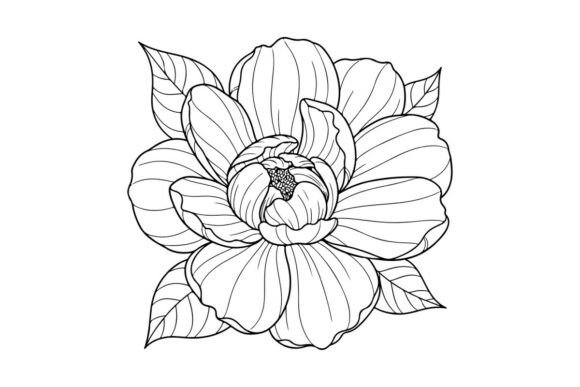
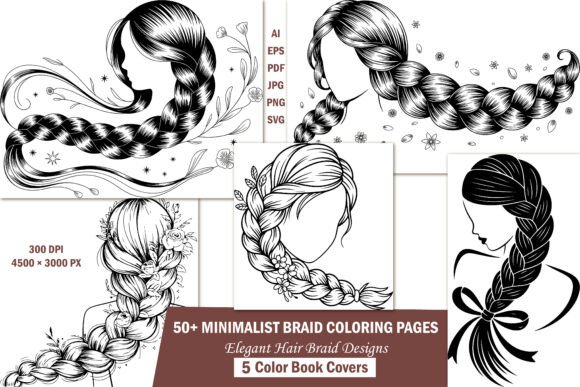
When I opened 50 Braid Line Art Coloring Pages, my first thought wasn’t “cute” or “trendy”—it was “this will stitch cleanly.” The lines are confident, consistent in weight, and intentionally minimalist—no frantic sketching, no overworked shading. Each braid flows with rhythm: tight fishtails, soft rope twists, crown-wraps that curve like breath. It’s not floral. Not geometric. Not cartoonish. It’s quietly elegant—like something you’d embroider on a linen tea towel for a bridal shower or stitch onto a cotton baby cap for a newborn photo session. That restraint is rare—and valuable—for embroidery designers who need clarity, not clutter.
Where This Bundle Actually Shines in Real Projects
I tested three designs from 50 Braid Line Art Coloring Pages across different real-world applications: a custom embroidered tote bag (medium-weight canvas), a unisex sweatshirt (midweight fleece), and a set of nursery pillow covers (soft cotton twill). In every case, the line art translated beautifully into clean machine embroidery design—especially when converted to running stitch outlines or delicate satin-stitched borders. No fill stitch overload. No tiny islands of thread that vanish after washing. These are shapes built for breathing room, not density.
For Etsy sellers and small shop owners, this matters: customers notice when an embroidered patch holds its shape after two washes. When a personalized gift feels intentional—not rushed or pixelated. A braid motif from 50 Braid Line Art Coloring Pages stitched on a denim apron reads as thoughtful craftsmanship, not clipart. Same for holiday embroidery on kitchen towels or wedding gift embroidery on handkerchiefs—there’s a quiet dignity here that supports premium pricing and repeat buyers.
Where to Pause—and Plan Ahead
That said, not every use case is automatic. On stretchy fabric like jersey tees, those long, continuous braid lines need extra stabilizer support—especially near curved seams or armholes. On dark fabric, fine-line versions may need a subtle underlay or slightly heavier thread weight to avoid visual sinking. And on caps or curved surfaces? Prioritize the simpler braids—the ones with open loops and generous negative space. Avoid the most intricate crown wraps unless you’re using a multi-hoop setup or planning hand-guided digitizing.
Also: check scale carefully. Some designs in 50 Braid Line Art Coloring Pages read beautifully at 3–4 inches wide on a tote bag, but shrink too much on a baby onesie chest placement. Always test the embroidery file on scrap fabric first—and confirm hoop size compatibility before digitizing. If you’re building printable mockups for your Etsy listings, try rendering the same braid in both light and dark fabric previews. You’ll see how contrast shifts perception of delicacy versus impact.
What This Bundle Adds to Your Design Assets—Beyond the Lines
As a designer who sources graphics for commercial embroidery projects, I value what 50 Braid Line Art Coloring Pages doesn’t include just as much as what it does: no forced symmetry, no distracting backgrounds, no embedded text. That means flexibility. You can isolate one braid segment for a subtle sleeve accent, mirror it for a balanced back design, or layer it behind monogrammed initials without visual competition.
It also builds trust. Customers browsing your craft business site or Etsy shop respond to cohesion. A matching set of embroidered tea towels, napkins, and a market tote—all using variations from 50 Braid Line Art Coloring Pages—feels curated, not assembled. That consistency elevates your handmade product from “nice” to “branded.” And for digital product sellers? These line art motifs work well as embroidery file companions, applique design bases, or even refined SVG assets for hybrid print-and-stitch kits.
Practical Notes Every Embroidery Designer Should Keep Handy
- Always test on scrap fabric matching your final project’s weight and texture—especially for baby embroidery or holiday embroidery meant for gifting.
- Review stitch density before sending to machine. Minimalist line art can tempt low-density runs—but ensure enough coverage to hold shape on woven fabrics.
- Confirm licensing if you plan to sell finished products or resell digitized versions. Since this is listed under Coloring Pages Amp and categorized as Graphics, verify usage rights for commercial embroidery and digital embroidery file redistribution.
- Check thread color contrast early—especially for custom apparel where fabric color varies across batches (e.g., heather grey sweatshirts).
- Use proper stabilizer: medium-weight cutaway for knits, tear-away for stable wovens, and lightweight mesh for sheer or delicate layers.
- Inspect small details in your embroidery software—corners, junctions, and ends of braids should digitize cleanly, not bunch or double-stitch.
- Try black-and-white mockups before finalizing. Line art that reads well in grayscale usually translates best across fabric types and lighting conditions.
Final Thought: A Quiet Workhorse, Not a Flashy Gimmick
50 Braid Line Art Coloring Pages won’t shout from your Etsy banner. It won’t trend on TikTok overnight. But it will earn repeat orders from boutique buyers who value subtlety, stitch cleanly on your busiest production days, and hold up in customer photos months after purchase. For embroidery designers building a sustainable craft business—not chasing viral moments—this is exactly the kind of reliable, adaptable, mood-aligned design asset that compounds value over time. It’s not filler. It’s foundation.